Student Narrowly Avoids Visa Cancellation at the Eleventh Hour
The Department of Home Affairs takes a strict line on student visas. It wants to keep non-genuine students out of Australia — people who obtain a student visa and then never attend class. That strictness is not aimed only at keeping people out; those already here are tracked too, and the moment a breach of the student visa conditions comes to light, the Department acts. Student visas are now one of the hardest-hit areas for cancellation and most cases cannot be salvaged, but through hard work we still win some students a fresh chance.
Today we share a “half-success” case that followed a NOICC on a student visa — one that is fairly representative of what we see.
Visa Grant Records
Background: NOICC — Notice of Intention to Consider Cancellation. It is the formal notice the Department of Home Affairs issues before it considers cancelling someone’s visa. The Department sends a NOICC when it believes a visa holder may not meet the visa requirements or has breached a condition, giving the holder an opportunity to respond and explain why the visa should not be cancelled.
We have previously explained in detail why student visa holders and permanent residents receive a NOICC.
Case background:
In 2024 this student lodged a new visa application and then withdrew from their course. From April 2024 onwards they never took up a new course enrolment. Their student visa was due to expire on 15 March 2025, and on 20 February a letter arrived from the Department of Home Affairs. It said that because they had not complied with condition 8202 on their student visa (more than two months without study), the Department intended to cancel their visa.
Background: condition 8202 is arguably the most important condition on a student visa. It requires students to maintain their course enrolment, keep to satisfactory course progress, meet attendance requirements, avoid dropping to a lower-level course, and keep any gap between courses to no more than 2 months. In short, it requires students to genuinely attend and study.
A cancelled visa leaves lasting damage
Back to this client. Their visa had less than a month left to run, but that is not something the Department takes into account. There have been plenty of cases where the visa was close to expiry and the Department cancelled it anyway. The consequence of that cancellation is that the Bridging Visa A cannot come into effect as it normally would; once cancelled, the person is left on a Bridging Visa E — no work rights, no study rights, and a great deal of trouble.
Background — the three consequences of a cancelled visa
- A cancellation brings section 48 of the Migration Act into play, barring you from lodging many types of visa application onshore in Australia.
- If no new visa application had been lodged at the time of the cancellation, most temporary visas and permanent visas can no longer be applied for afterwards.
- It triggers PIC 4013, which affects whether the next visa can be granted.
This is one form of what is commonly called the three-year bar. It penalises people whose visa was cancelled for breaching their visa conditions and blocks the grant of many temporary visas — 500/600/417/462/482/407/408 and more. Applications lodged later can also fail to be granted because of that student visa cancellation.
Unlawful the moment the visa is cancelled
Even if another visa application had already been lodged when the cancellation happened, the fact that the previous visa was cancelled means no Bridging Visa A follows. The person becomes an unlawful non-citizen on the spot and can then only apply for a BVE — no work rights, no study rights, no travel rights. Even with an appeal on foot at the ART, it is still a BVE.
No template or AI response will fix this
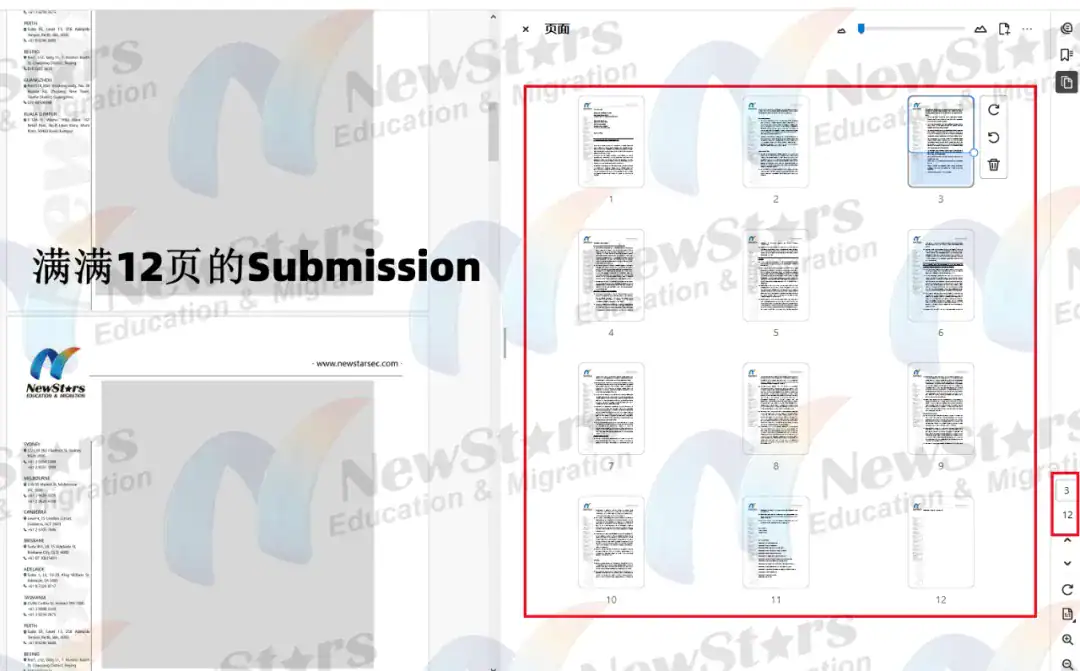
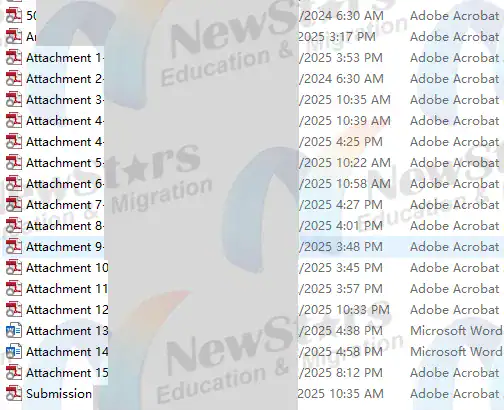
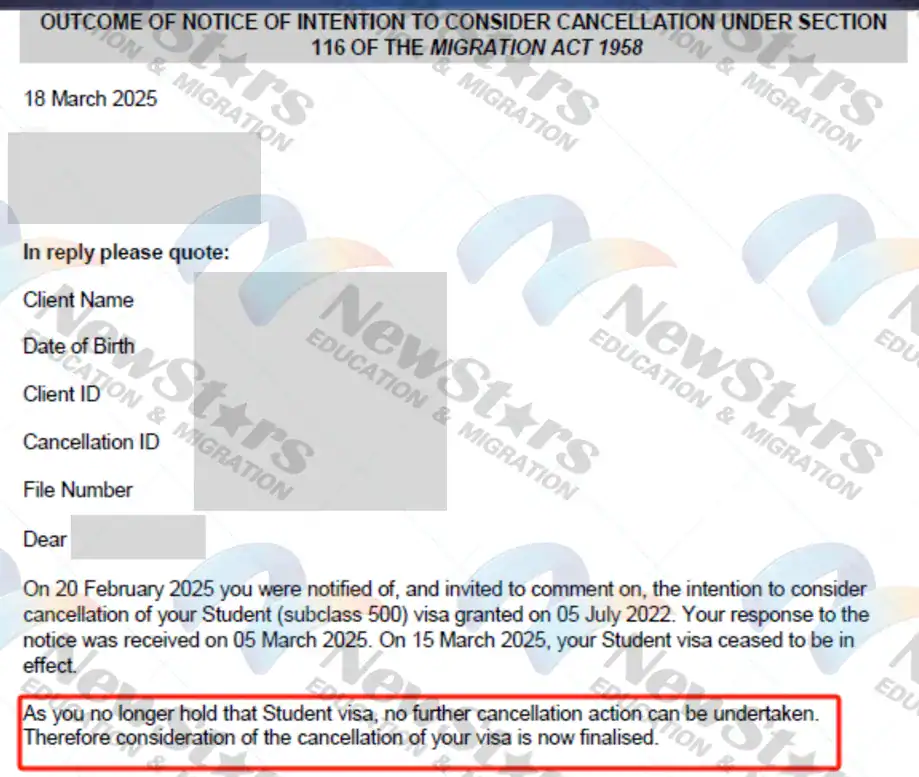
So once the client came to us, we prepared the evidence in full and answered the allegations point by point. That included digging much deeper into the submission: a full 12 pages of it. In the end we secured this decision — the Department did not carry out the cancellation, and because the student visa had already expired, it finalised the case as complete. No cancellation went on record, so nothing stands in the way of the next visa being granted, which was the outcome the client wanted most. Their Bridging Visa A came into effect soon afterwards, and they could then apply for a Bridging Visa B and leave the country with confidence.
Key reminders:
- 1. Do not wait until a NOICC lands before you ask for help. This student was left with no cancellation on record — but frankly, where the breach is backed by hard evidence, such as failing to meet attendance requirements, turning a NOICC around through a response alone is extremely difficult. So if you hold a student visa and have not been attending class for a long time, contact us now rather than waiting for a NOICC to drop out of the sky.
- 2. International students: check your inbox regularly. Before issuing a NOICC, the Department usually sends a letter to confirm your current contact details — your email address above all — and only then sends the NOICC itself.
If a student visa holder receives a letter like a NOICC, a response must be lodged within 5 working days of receiving it.
The deadline for responding to a NOICC differs from visa to visa, but whatever it is, respond in time — this is the last chance to make your case before the visa is cancelled.
Related case studies
Rare: the Department concedes its error and the student visa is granted
Read the full case study →Student visa NOICC: a 5-day emergency response
Read the full case study →The Department moves to cancel a PR after the fact — several strategies keep permanent residence intact
Read the full case study →Your situation deserves a professional assessment first
Every visa application turns on different criteria, evidence and timing. Tell us about your situation and our registered migration agents and lawyers will assess the pathways open to you.
Get a free assessment of your visa options →